

How Regenerative Agriculture is Transforming Communities in Kajiado
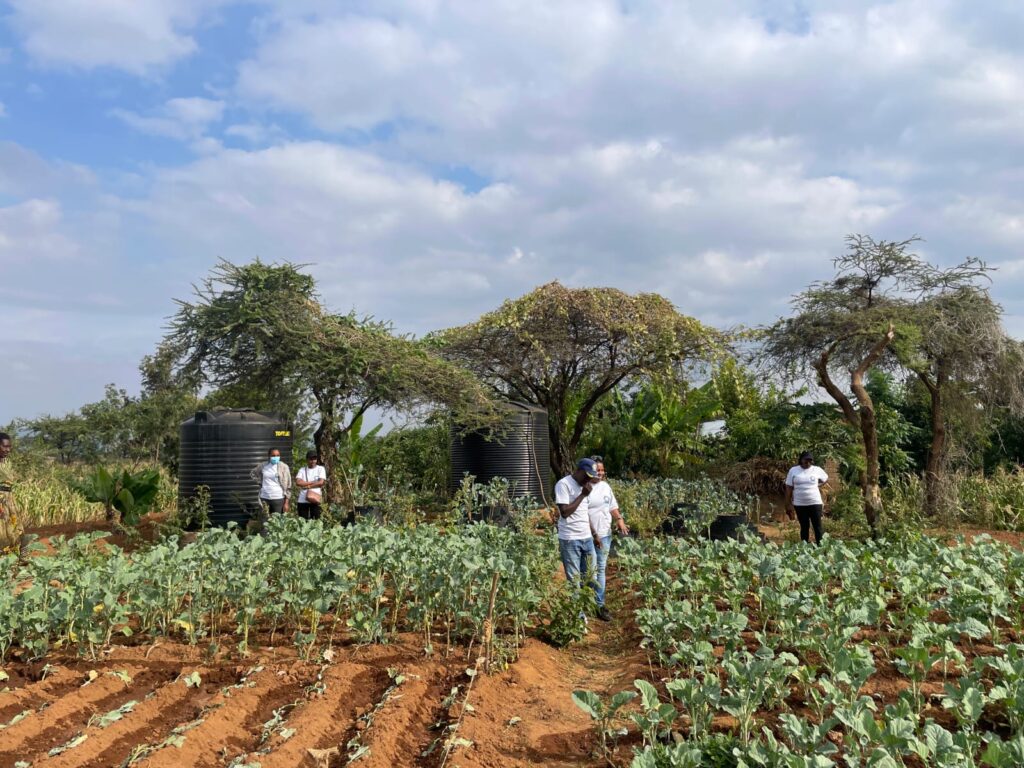
Across the arid and semi-arid lands (ASALs) of Kenya, communities are facing increasing challenges brought about by climate change, land degradation, and food insecurity. In Kajiado County, these challenges are not just environmental—they directly affect livelihoods, health, and the future of entire communities. However, a growing movement is proving that it is possible to reverse this trend. At the forefront of this transformation is regenerative agriculture.
Regenerative agriculture is more than just a farming method—it is a holistic approach to restoring ecosystems while improving food production and strengthening community resilience. Unlike conventional farming, which often depletes soil nutrients over time, regenerative practices focus on rebuilding soil health, conserving water, and enhancing biodiversity.
At We Are The Farmers Initiative, regenerative agriculture is at the core of our mission. Through our demonstration farm, “Wakulima Ni Sisi,” we provide hands-on training that equips farmers, youth, and women with practical skills they can immediately apply. From composting and organic soil management to agroforestry and water harvesting techniques, our approach emphasizes sustainability, accessibility, and long-term impact.
One of the most powerful aspects of regenerative agriculture is its ability to restore soil health. Healthy soil is the foundation of productive farming systems. By improving soil structure and increasing organic matter, farmers are able to retain moisture more effectively—an essential factor in drought-prone areas like Kajiado. This not only increases crop yields but also reduces dependency on expensive chemical inputs.
In addition to improving soil, regenerative agriculture promotes biodiversity through practices such as intercropping and agroforestry. Integrating trees into farming systems provides multiple benefits, including shade, improved soil fertility, and additional sources of food and income. Indigenous trees, in particular, play a crucial role in restoring ecosystems and supporting local wildlife.
The impact of these practices extends far beyond the farm. Households that adopt regenerative methods are able to produce more nutritious food, improve their incomes, and become more resilient to climate shocks. Women and youth, who are often disproportionately affected by economic and environmental challenges, gain valuable skills and opportunities for empowerment.
Community involvement is central to the success of regenerative agriculture. By engaging local communities in training and decision-making, we ensure that solutions are practical, culturally relevant, and sustainable. Knowledge sharing among farmers further strengthens this impact, creating a ripple effect that spreads across the region.
While the challenges facing ASAL communities are significant, the solutions are within reach. Regenerative agriculture offers a pathway toward restoring degraded land, improving food security, and building resilient communities.
At We Are The Farmers Initiative, we believe that by working together, we can transform not only the land but also the lives of those who depend on it.
Get Involved
You can be part of this transformation. Whether you are a farmer, volunteer, partner, or supporter, your involvement can make a difference. Join us in promoting sustainable agriculture, restoring ecosystems, and empowering communities across Kajiado County.